Canadian-Made Piano Music for Teachers and Students

Why Every Piano Student Should Be Playing Duets
Discover why piano duets belong in every lesson and recital. Learn how they build musicianship, confidence, and studio community - plus tips for choosing the right one.
TEACHING TIPSREPERTOIRE PICKSSTUDENT MOTIVATION
Jen Smith Lanthier
2/15/20263 min read
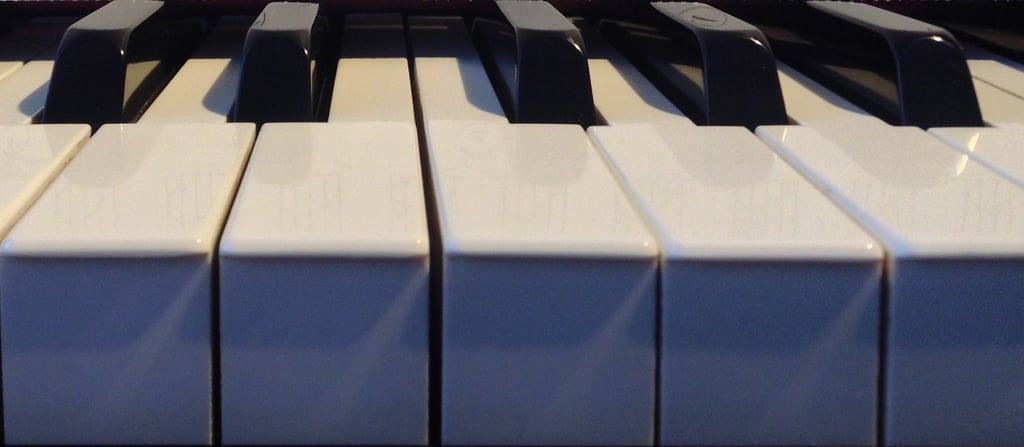
If duets aren't already part of your teaching toolkit, they should be. Whether you're a teacher looking for fresh ways to engage your students or a player wanting to grow your musicianship, piano duets offer something that solo repertoire simply can't - the experience of making music with someone else.
More Versatile Than You Might Think
Piano duets aren't just performance pieces. They work beautifully as supplemental repertoire between teacher and student, sight-reading material, quick studies, or simply something fun to play with a family member. The uses are genuinely varied, and that flexibility is part of what makes them such a valuable resource.
The Skills Duets Build
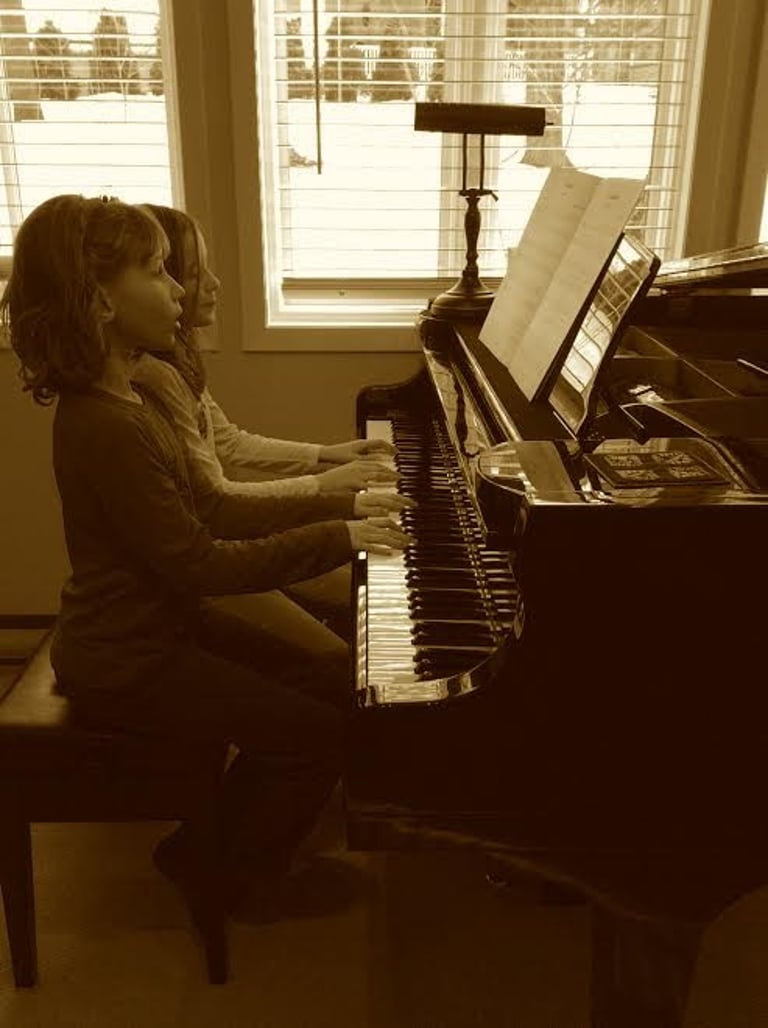
Playing duets develops musicianship in ways that solo practice rarely does. When you're sharing a piano with another player, you have to listen differently - not just to yourself, but to the whole musical picture. You learn to collaborate, to adapt, and to ask meaningful questions: which musical lines are most important? What is the role of accompaniment? How do I support another player while still contributing?
These aren't just technical skills. They're musical instincts that carry over into everything a student plays.
What Happens in the Lesson Room
In a typical piano lesson, the student plays and the teacher listens. Duets can flip that dynamic entirely. Suddenly, both teacher and student are playing, listening, and responding to each other in real time. That shared experience injects fun and variety into an everyday lesson format - and it can do wonders for a student's confidence. When a student hears the music come together with their teacher, something clicks. They feel capable. They feel like a musician.
A Note on Recitals and Studio Community
Duets are crowd pleasers - full stop. During my years running a thriving piano studio, I included duets in every recital. The response from audiences was always enthusiastic, and that enthusiasm had a real effect on students. Playing together in front of an audience carries less pressure than a solo performance, which makes it a wonderful entry point for students who feel nervous performing alone.
Beyond that, duets helped my students get to know each other. They learned what it means to rehearse with another person - to have patience, to communicate, to hear a piece gradually improve. They felt a sense of responsibility to their duet partner, which gave them agency and motivation to practice. And when the performance went well, the sense of shared success was something the whole studio felt. I genuinely believe that fostering that kind of community is one of the things that contributes most to the long-term health and success of any studio.
Choosing the Right Duet
One practical tip: duets are typically played one to two levels below a student's actual playing level. A Level 5 student will feel most comfortable with a duet marked Level 3-4. Ensemble playing adds its own layer of challenge - staying in sync, listening, adjusting - and you want the experience to feel enjoyable, not stressful.
When choosing, look for a style that excites you or your students. The right duet should feel like a treat, not an assignment.
About the Ocean Tails Music Duet Collection
The duets in the Ocean Tails Music collection are original compositions suited to all ages, ranging from elementary to intermediate levels. The styles span a wide range - blues, Flamenco-inspired, folk song, ragtime, fiddle tune, Baroque-inspired, surf music, neo-classical, and pop influences - so there's something for every taste and studio.
One thing that sets these duets apart: both the Primo and Secondo parts are written with melodic material. Too many published duets give all the interesting lines to the Primo player while the Secondo handles accompaniment. Here, neither player gets the "boring" part. The parts are also written at roughly equal difficulty, so two students at the same level can play together comfortably.
Browse the full collection, check the sample pages in each description, and listen to the audio or video previews to find the right fit. Still not sure where to start? Reach out through the contact page - I'm happy to help you choose.
Browse the Piano Ensembles Collection
Happy Playing,
Jen
Looking for beginner-friendly improvisation pieces to use with your students?
Browse my improvisation books at Ocean Tails Music.
Jen Smith Lanthier is a Canadian composer and piano educator behind Ocean Tails Music. She creates original repertoire for students at every level.